
Compression is a bit more complicated of a concept. Digital compressors are the most common but in recording studios they are pieces of hardware too. Compression is the process of lessening the dynamic range between the loudest and quietest parts of an audio signal. The quiet parts of the audio are boosted while the parts that are too loud are reduced. Compression is used on various instruments but it is important for vocals because the human voice is very dynamic. It gives music a more polished sound and makes it more comfortable to listen to. There are five parameter controls that change the amount of compression or dictate when to compress. Threshold sets the level of volume at which the effect is engaged. The compressor will only activate when the audio passes the point that has been set. Outside of that, nothing will be compressed. The attack time is the set time it takes for the compressor to fully compress the audio after the threshold has been exceeded. Release time is just the opposite. Release is the time it takes for the compressor to let go of the audio signal and stop compressing. The compression ratio is often misunderstood. It determines the amount of compression that will be applied. For example, a 2:1 ratio means that a signal exceeding the threshold by 2 decibels will be attenuated by 1 decibel. Lastly, the output gain makes up for the volume lost by making the signal louder.
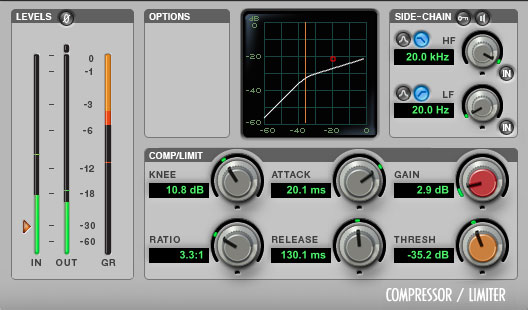
- Generic Compressor
 Music Production - All You Need To Know