
One very important aspect in the process of releasing music is mixing and mastering. This is important because it is the process that allows music to sound coherent, blended, and clean. To the average listener who knows nothing about audio engineering, there is no awareness of the mixing and mastering done to a song they listen to. However, if the mixing, mastering, and all the engineering to that song were stripped away, they would cringe! This is what my third source is all about. According to the Conservatory of Recording Arts & Sciences, subsequent to recording, mixing is the second step to making a record. This is where you “take each of the individual audio tracks we recorded in step one, and put them together to sound like a cohesive music production experience”. Although a vast majority of the creativity in music is in the musical ideas, many people do not realize that a lot of creativity can be employed through mixing. This is due to the use of various effects that may not seem noticeable, but bring a song to life! In essence, mixing is glueing individual recorded tracks together to achieve a cohesive overall product. Mastering however, is the final step to producing a record. According to my source, CRAS, “this is where we take the finished, mixed recording, and run it through some final processing which prepare the song for distribution”. This step is also vital because it is what allows a song to sound consistently good on various platforms, such as a phone speaker, laptop speaker, headphones, the car, and even live concerts. Without mastering, what might sound perfect on studio monitors sounds cloudy and poor in the car. This source breaks down the steps to mixing in mastering which is very important and helpful for my project.
Source: https://cras.edu/what-is-audio-engineering/
My fourth source is all about record labels. Although independent artists are on the rise, and releasing music independently sums up my experience, record labels obviously still play a huge role in the music that is released worldwide. This source explains how record labels work. This is very relevant to my project because my projects is centered around how music is made and published in modern times. In these modern times, record labels often have the upper hand and the last say on what, how, and when music is published under their label.
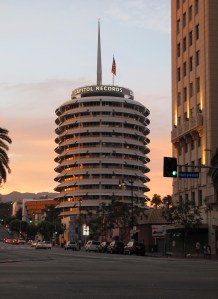
Also, this can be a controversial topic because it often results in feud’s between artists and labels. This source breaks down what record labels are responsible for and what they control. From A&R support, marketing and promotion, specialist support, distribution, label deals, licensing deals, distribution deals, branding, and more, this source informs us on the inter workings of a label which plays a very big role in the music that we hear everyday.
Source: https://spinnup.com/uc/top-faqs/how-do-record-labels-work/


 The example, “Approaching Fan Fiction Practices through Ethnography” involves a more holistic approach to practice. It looks at the practices of fan fiction writers and their relationship with digital media technologies, in this case, of a sixteen year-old who was part of a larger study of digital media. This sixteen year-old writer used a fake name for the study. The takeaway of the study, which also serves as an answer to the question of why this study is ethnographic, is that members of this subculture are now not only consuming professionally produced media, but they are also produce their own media products. According to the text, they are “continuing to disrupt the culturally dominant distinctions between practices of production and consumption”. Related work has shown how once ‘alternative’ fan practices have become more and more mainstream with the integration of ‘traditional’ and digital media forms’. What makes this study ethnographic is not only what was researched but also the way in which it was conducted. The way it was conducted allowed the researcher to come up with methods that could explore more deeply the practices that young people were reporting in their interviews. Since the fan fiction writing is almost exclusively done in private and at home, the ethnographic approach to the study revealed a closer and more detailed look that other methods may not have provided.


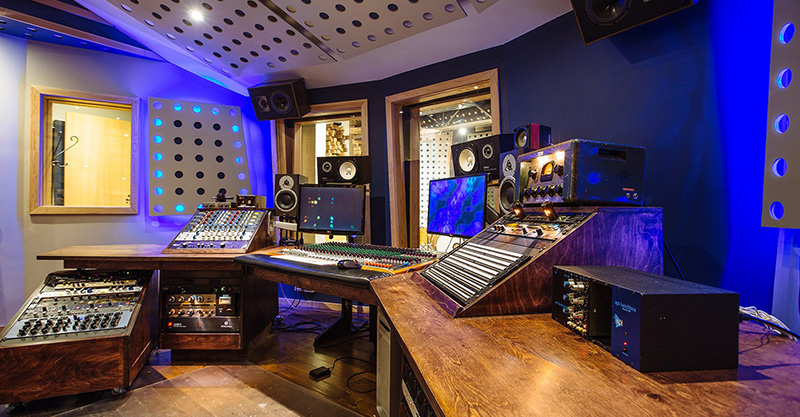
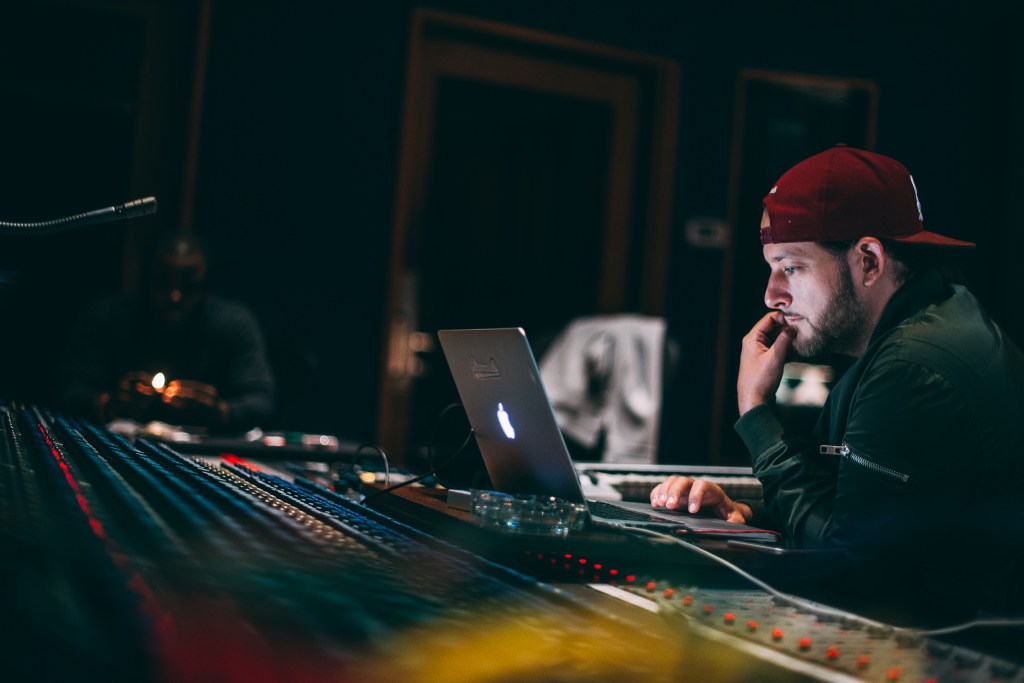 Have you ever heard an old vinyl record play on a turn table? Did you notice how good, warm, clear, and satisfying the sound was? That music was recorded and played back in an analog format. In modern times however, we have the option of going digital. In modern times, this is an important distinction that concerns the innovations in technology and software that have come about over the years. For music heads, specifically engineers, there is a common debate of which is best, analog of digital. This is important because for one, each style of engineering gives you a different and unique result of sound, and secondly, analog, which is the “old school” technique is still widely used. This article breaks down the differences between analog and digital recording. The author is pro-analog but does a consistently good job of detailed the pros and cons of both techniques. In essence, analog audio recording is all there was before fancy computer softwares were developed. Digital recording is basically a replication or simulation of analog. A preliminary distinction between the two is that analog recording yields a warmer, more natural tone and texture. Digital recording on the other hand does not provide such texture but does have more control and precision. Also, analog recording translates to a lot more equipment because the simulation aspect of digital recording means that everything is translated to one computer, where everything is in the same place. This article individually explains the significance of each style, as well highlighting the distinction between them.
 Music Production - All You Need To Know