Capstone Prep, Uncategorized

Capstone Prep – Blog #7

Last Thursday, the communications department held their capstone event for students graduating this month. There was a total of six students who all presented their capstone projects they have been working on all semester. The first presentation was one of my favorites. The student did an adaptation of a story she previously wrote. She displayed her drawings for her project and they were very good. Also, she was cool and confident presenting to the audience. Another presentation I enjoyed was a student who started a YouTube channel. This was particularly intriguing for several reasons. First of all, I watch a god bit of YouTube. I don’t have cable while I am away from home at school; I don’t watch much TV these days anyway. I mostly watch YouTube tutorials by people who do things that I’d like to do someday so it was interesting to see what posting content on YouTube is like. I ended up having a conversation with the student about it after the presentations were over.
IMG_5973

Also, one student who’s studying digital filmmaking made a short film for his capstone. This was interesting to me because I took a music video class as well as narrative screenwriting. His presentation reminded me of these classes and of how much goes into these types of things. If I was better at it and more creative I might have done some type of combination of film and music. The genre of his short film was a psychological thriller which I am a fan of so it was interesting to learn about his thought process. The event went well and I enjoyed attending it.
Capstone Prep, Uncategorized

Capstone Prep – Blog #6

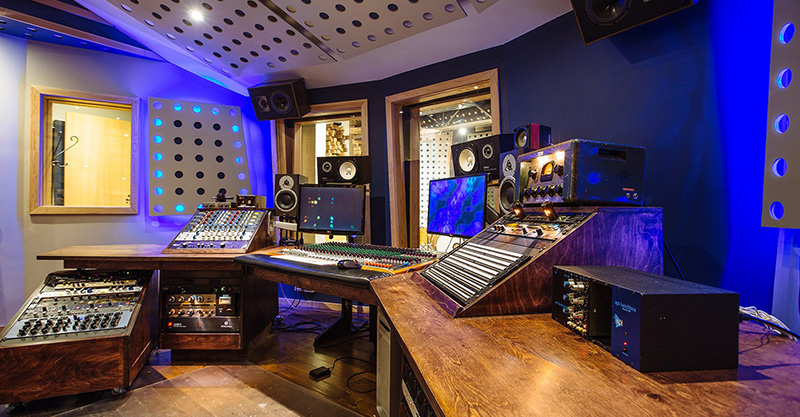
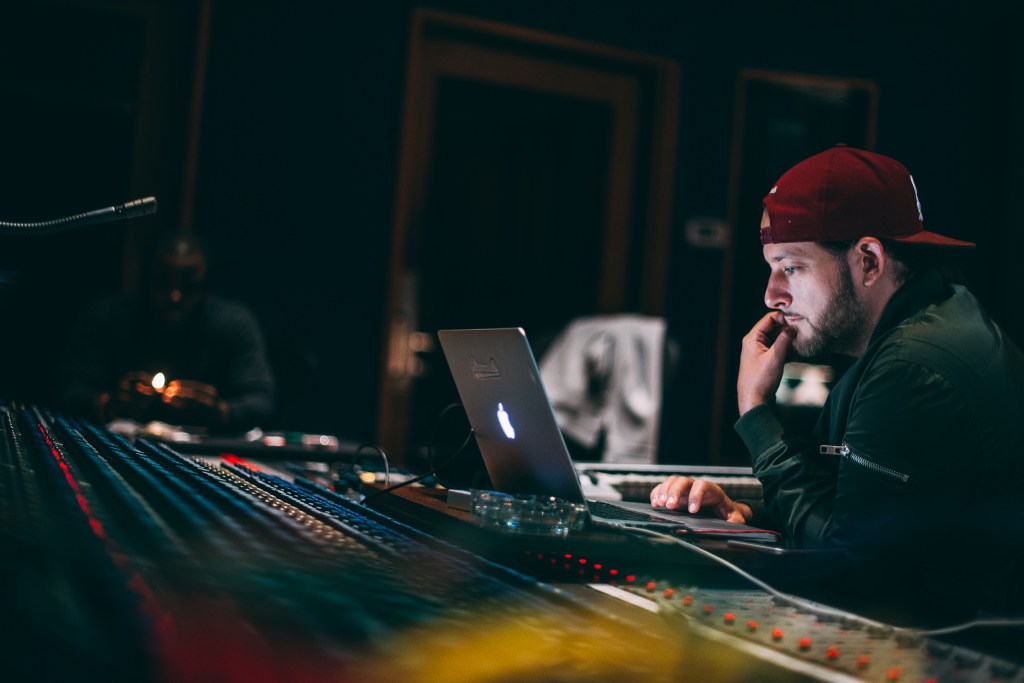
I had an idea for a source that isn’t an online article, video, or text at all. I know an audio engineer and producer from home who rents out space for a recording studio. I thought about doing a half interview have documentary segment with him at his studio. I have several songs out on Spotify, iTunes, Apple Music, etc, that were recorded in his studio. I want to record some video footage of the experience to provide my audience with an inside look of the environment of a recording studio and what the process looks like. I’ll add this video to my website with a small written description as well. In terms of that will be in the video, I thought about having an artist record a song. I’ll be there to document it and I’ll have the engineer and artist answer some questions as well.

canadian-recording-studios

This next source is very informative, partly because of who the author is. I mentioned BMI, or Broadcast Music Inc., who is a performance rights organization. I found an article on their website entitled, “I Know I’ve Got a Great Song – Now What?” I read it through and some of the information is stuff I have already mentioned, but the bulk of it goes very in depth on publishing. Since this project is for school, I don’t want it to be just about the music side of things. The business side of the music making process is not only important, but relevant to my major, so I think this is a great source to use. This article discusses publishing companies as well as what a professional publisher does.

Source: https://www.bmi.com/news/entry/i_know_ive_got_a_great_song_now_what


Capstone Prep, Uncategorized

Capstone Prep – Blog #4

Elite-producerHave you ever heard an old vinyl record play on a turn table? Did you notice how good, warm, clear, and satisfying the sound was? That music was recorded and played back in an analog format. In modern times however, we have the option of going digital. In modern times, this is an important distinction that concerns the innovations in technology and software that have come about over the years. For music heads, specifically engineers, there is a common debate of which is best, analog of digital. This is important because for one, each style of engineering gives you a different and unique result of sound, and secondly, analog, which is the “old school” technique is still widely used. This article breaks down the differences between analog and digital recording. The author is pro-analog but does a consistently good job of detailed the pros and cons of both techniques. In essence, analog audio recording is all there was before fancy computer softwares were developed. Digital recording is basically a replication or simulation of analog. A preliminary distinction between the two is that analog recording yields a warmer, more natural tone and texture. Digital recording on the other hand does not provide such texture but does have more control and precision. Also, analog recording translates to a lot more equipment because the simulation aspect of digital recording means that everything is translated to one computer, where everything is in the same place. This article individually explains the significance of each style, as well highlighting the distinction between them.

Source: http://libproxy.shepherd.edu:2048/login?url=http://search.ebscohost.com/login.aspx?direct=true&db=a9h&AN=2655196&site=ehost-live&scope=site

It dawned on me that all my sources so far are informative but don’t get too deep into the actual process of making music. I’m thinking about making some content of my own for the project. However, I did find a video that depicts a typical modern day making of a music. Now, my project is centered around the entire process of making a song so this source is a representation of only one step: production. I’d like to incorporate more sources like this to depict the other steps as well. Perhaps I’ll use a combination of sources and original content so that there is some variety to the project. In this video, a well known producer makes an instrumental from scratch. In the context of my project I’ll let the video be self-explanatory and I’ll explain what would typically happen before and after this part.

Source: https://www.youtube.com/watch?v=qrGhSU8nWZk

Capstone Prep, Uncategorized

Capstone Prep – Blog #3

audio-engineer-roles

One very important aspect in the process of releasing music is mixing and mastering. This is important because it is the process that allows music to sound coherent, blended, and clean. To the average listener who knows nothing about audio engineering, there is no awareness of the mixing and mastering done to a song they listen to. However, if the mixing, mastering, and all the engineering to that song were stripped away, they would cringe! This is what my third source is all about. According to the Conservatory of Recording Arts & Sciences, subsequent to recording, mixing is the second step to making a record. This is where you “take each of the individual audio tracks we recorded in step one, and put them together to sound like a cohesive music production experience”. Although a vast majority of the creativity in music is in the musical ideas, many people do not realize that a lot of creativity can be employed through mixing. This is due to the use of various effects that may not seem noticeable, but bring a song to life! In essence, mixing is glueing individual recorded tracks together to achieve a cohesive overall product. Mastering however, is the final step to producing a record. According to my source, CRAS, “this is where we take the finished, mixed recording, and run it through some final processing which prepare the song for distribution”. This step is also vital because it is what allows a song to sound consistently good on various platforms, such as a phone speaker, laptop speaker, headphones, the car, and even live concerts. Without mastering, what might sound perfect on studio monitors sounds cloudy and poor in the car. This source breaks down the steps to mixing in mastering which is very important and helpful for my project.

Source: https://cras.edu/what-is-audio-engineering/

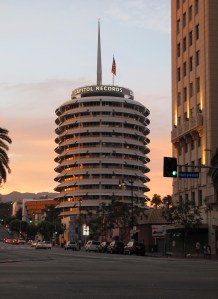
My fourth source is all about record labels. Although independent artists are on the rise, and releasing music independently sums up my experience, record labels obviously still play a huge role in the music that is released worldwide. This source explains how record labels work. This is very relevant to my project because my projects is centered around how music is made and published in modern times. In these modern times, record labels often have the upper hand and the last say on what, how, and when music is published under their label.

Capitol_Records_sunset

Also, this can be a controversial topic because it often results in feud’s between artists and labels. This source breaks down what record labels are responsible for and what they control. From A&R support, marketing and promotion, specialist support, distribution, label deals, licensing deals, distribution deals, branding, and more, this source informs us on the inter workings of a label which plays a very big role in the music that we hear everyday.

Source: https://spinnup.com/uc/top-faqs/how-do-record-labels-work/


Capstone Prep, Uncategorized

Capstone Prep – Blog #2

After putting more thought into my project, I realized that an important aspect of of the music making process in modern times is royalties, splits, and performance rights organizations. I knew this topic would be more “scholarly” since it is so closely related to the industry and large corporations. Sure enough, there were significantly more results in the databases than my other searches. I found an article with a title that can’t be closer to what I wanted to discuss.

Performance rights organizations, or PRO’s, are organizations that allow copyright holders (artists, songwriters, publishers, producers) to collect royalties they deserve. There are many types of royalties but I’ll get into that later. These organizations are the only way to receive the money from royalties and essentially, there are only two legitimate ones: BMI and ASCAP. These two organizations do the same things but have plenty of differences. Coincidentally, I just signed my first legally biding contract with BMI last week. I am officially and legally stuck with them until 2021. My first source is an article comparing the two organizations which is important and relevant because there are only two that the entire world uses. Regardless of if your music has been streamed ten or ten million times, you must go through a PRO to get payed. This article goes into a detailed explanation of how this works and how the two organizations differ.

Source: http://web.b.ebscohost.com/ehost/detail/detail?vid=11&sid=9d4e8766-1653-4fbf-9c9e-ddd23c9640b9%40pdc-v-sessmgr06&bdata=JnNpdGU9ZWhvc3QtbGl2ZSZzY29wZT1zaXRl#AN=3672223&db=a9h

broadcast-music-incorporated

My second source is closely related but hones in on an important issue. This is relevant to my life and project because it is specific to the producer. While the music making process involves various roles such as A&R’s, engineers, record labels, and managers, this article makes suggestions for producers like me. Like the previous source, this article compares and contrasts BMI and ASCAP. However, this article breaks down the different types of credits for each role in music making. This is important because of the current condition of the music industry. There is discrepancy in the music industry about credits, splits, and who deserves what percentage. This article breaks this down and makes suggestions for music producers on how to approach the process.

Source: http://web.b.ebscohost.com/ehost/detail/detail?vid=7&sid=9d4e8766-1653-4fbf-9c9e-ddd23c9640b9%40pdc-v-sessmgr06&bdata=JnNpdGU9ZWhvc3QtbGl2ZSZzY29wZT1zaXRl#AN=114851806&db=a9h

Capstone Prep, Uncategorized

Capstone Prep – Blog #1

I can see the light at the end of the tunnel. I’m finally a senior! However, in consideration of the amount of work left to do, it feels like I’m an underclassman. Nonetheless, I am on the home stretch towards graduation and earning my degree. With graduation slowly approaching I must begin to think about my capstone project. Without much thought, I instinctively knew that my project will have something to do with music. Given the fact that I’ll be working on this project for the next two semesters, it’s a good idea to choose something I find highly interesting.

65E757F3-1114-4790-8415-1E2BFCFF5B2F 2

Obviously, music can mean a million different things. I didn’t have a clue about what I wanted my project to be about specifically until I had a conversation with a classmate who told me he was using his own original music for his project. That got me thinking. I took that and stopped by my professor’s office the other day to ask some questions. After having that conversation, I became more aware of the fact that we are allowed to make our project our own and what we want it to be, as long as it satisfies the requirements of course. My professor had me explaining to him the process of how I produce, record, engineer, and publish my music. There is a great deal of importance in the engineering process that is very informative. The publishing process is also very relevant to my major simply due to the fact that involves copyright, advertising, campaigns, and appealing to and targeting an audience. My professor said I can use the exact process that I’m so passionate about and turn it into my capstone. After that conversation I had a slightly tighter idea and a lot more excitement. I haven’t officially decided what format to make my project but I’ve been leaning on a website. I also thought about the possibility of making a documentary. However, If I make a website I’ll plan on having multiple modes of media in it.