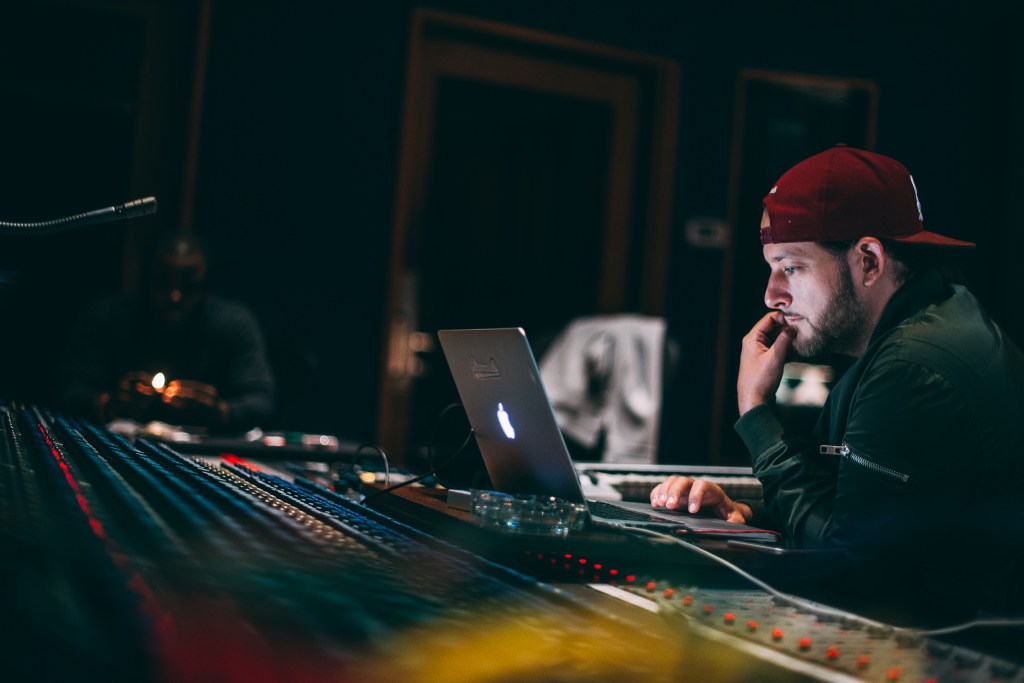
 Have you ever heard an old vinyl record play on a turn table? Did you notice how good, warm, clear, and satisfying the sound was? That music was recorded and played back in an analog format. In modern times however, we have the option of going digital. In modern times, this is an important distinction that concerns the innovations in technology and software that have come about over the years. For music heads, specifically engineers, there is a common debate of which is best, analog of digital. This is important because for one, each style of engineering gives you a different and unique result of sound, and secondly, analog, which is the “old school” technique is still widely used. This article breaks down the differences between analog and digital recording. The author is pro-analog but does a consistently good job of detailed the pros and cons of both techniques. In essence, analog audio recording is all there was before fancy computer softwares were developed. Digital recording is basically a replication or simulation of analog. A preliminary distinction between the two is that analog recording yields a warmer, more natural tone and texture. Digital recording on the other hand does not provide such texture but does have more control and precision. Also, analog recording translates to a lot more equipment because the simulation aspect of digital recording means that everything is translated to one computer, where everything is in the same place. This article individually explains the significance of each style, as well highlighting the distinction between them.
Source: http://libproxy.shepherd.edu:2048/login?url=http://search.ebscohost.com/login.aspx?direct=true&db=a9h&AN=2655196&site=ehost-live&scope=site
It dawned on me that all my sources so far are informative but don’t get too deep into the actual process of making music. I’m thinking about making some content of my own for the project. However, I did find a video that depicts a typical modern day making of a music. Now, my project is centered around the entire process of making a song so this source is a representation of only one step: production. I’d like to incorporate more sources like this to depict the other steps as well. Perhaps I’ll use a combination of sources and original content so that there is some variety to the project. In this video, a well known producer makes an instrumental from scratch. In the context of my project I’ll let the video be self-explanatory and I’ll explain what would typically happen before and after this part.
Source: https://www.youtube.com/watch?v=qrGhSU8nWZk


 The example, “Approaching Fan Fiction Practices through Ethnography” involves a more holistic approach to practice. It looks at the practices of fan fiction writers and their relationship with digital media technologies, in this case, of a sixteen year-old who was part of a larger study of digital media. This sixteen year-old writer used a fake name for the study. The takeaway of the study, which also serves as an answer to the question of why this study is ethnographic, is that members of this subculture are now not only consuming professionally produced media, but they are also produce their own media products. According to the text, they are “continuing to disrupt the culturally dominant distinctions between practices of production and consumption”. Related work has shown how once ‘alternative’ fan practices have become more and more mainstream with the integration of ‘traditional’ and digital media forms’. What makes this study ethnographic is not only what was researched but also the way in which it was conducted. The way it was conducted allowed the researcher to come up with methods that could explore more deeply the practices that young people were reporting in their interviews. Since the fan fiction writing is almost exclusively done in private and at home, the ethnographic approach to the study revealed a closer and more detailed look that other methods may not have provided.
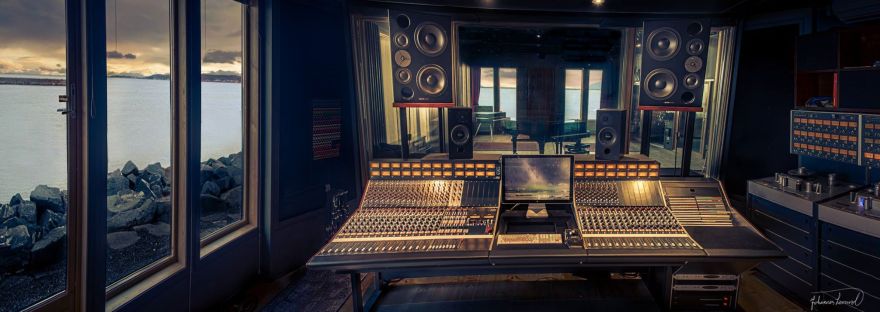
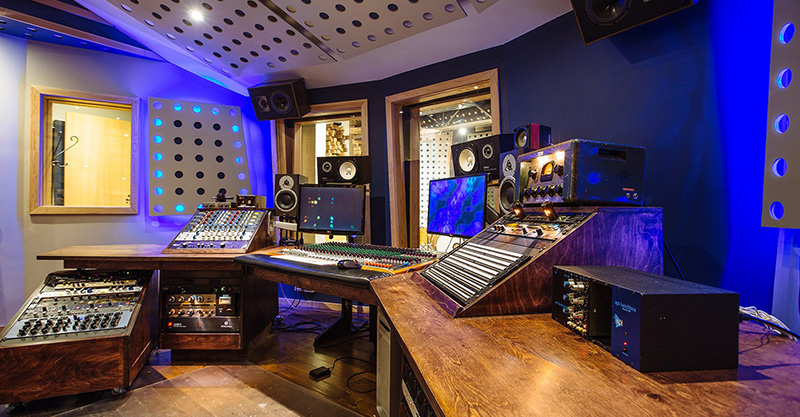
 Music Production - All You Need To Know