
Today I will discuss glue compressors. Glue compressors are similar to basic compressors but have different capabilities. If you aren’t too clear on compression in general, click here. A glue compressor can add warmth and color that a regular compressor can’t. They serve many purposes including a limiter, sidechaining, parallel compression, and more. Today however, I will discuss using a glue compressor to improve how your drums sound in a mix.
This is so simple it isn’t much of a tip. However, it is something young producers are not aware of. Basically, all you need to do is add a glue compressor to a single drum track or to all your drum instruments grouped together. Most glue compressors have the same parameters that a regular compressor has. The makeup parameter is the one that is unique to the glue compressor and is most important in this case, alongside threshold. Once added to a drum track, increasing the makeup (db) will result in your drum “hitting harder”.
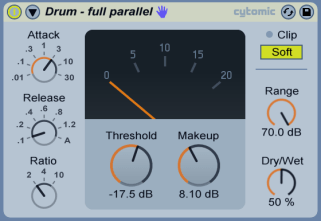
It may sound like it is simply increased volume but if you were to only turn that sound up there is no compression involved. A glue compressor brings a sound out while keeping everything “glued” together with compression. The makeup parameter is they key. However, be sure to not set the makeup too high. Use the threshold alongside the makeup to find a good balance. Lowering the threshold will also keep keep the compressor from overdoing it. Also, like almost all plugins and tools, you can adjust the dry/wet parameter to control how much of the overall effect is added to your signal. This will improve all of your drums if they need to be brought out. It is often snares and kick drums that benefit from glue compression. Try it out!

 Music Production - All You Need To Know